
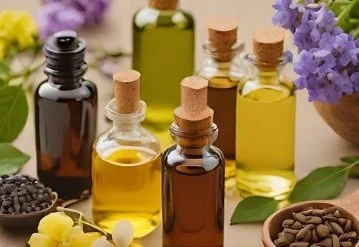
There’s something called a “decision tree” that Ayurveda formulators use when creating healing products for the hair and body.
The tree helps us identify the ingredients (herbs and oils) that will be used in the product by considering the current state of the person (not just overall constitution), the intended use of the product, and the preferred outcome.
Today, I want to share with you how to use this tree to select the right oil for your most effective products.
Oil Choice Decision Tree
Dosha + Context → Logical Oil Selection
Key principle:
Oil choice in Ayurveda depends on the current doshic expressionandthe context of use, not constitution alone.
STEP 1 — Identify the Dominant Doshic Expression (Now)
Ask: What quality is most obvious right now?
Vata → dry, rough, light, unstable
Pitta → hot, sensitive, inflamed, reactive
Kapha → heavy, oily, congested, stagnant
⬇️ Then move to context.
STEP 2 — Identify the Context of Use
Ask all of the following:
Contact time (how long will the product stay on the hair or scalp?)
Short (10–60 min, wash‑out)
Long (overnight, leave‑in)
Area
Scalp‑focused
Hair‑length‑focused
Goal
Nourish / replenish
Cool / soothe
Mobilize / clear
Protect / seal
⬇️ Then choose the oil.
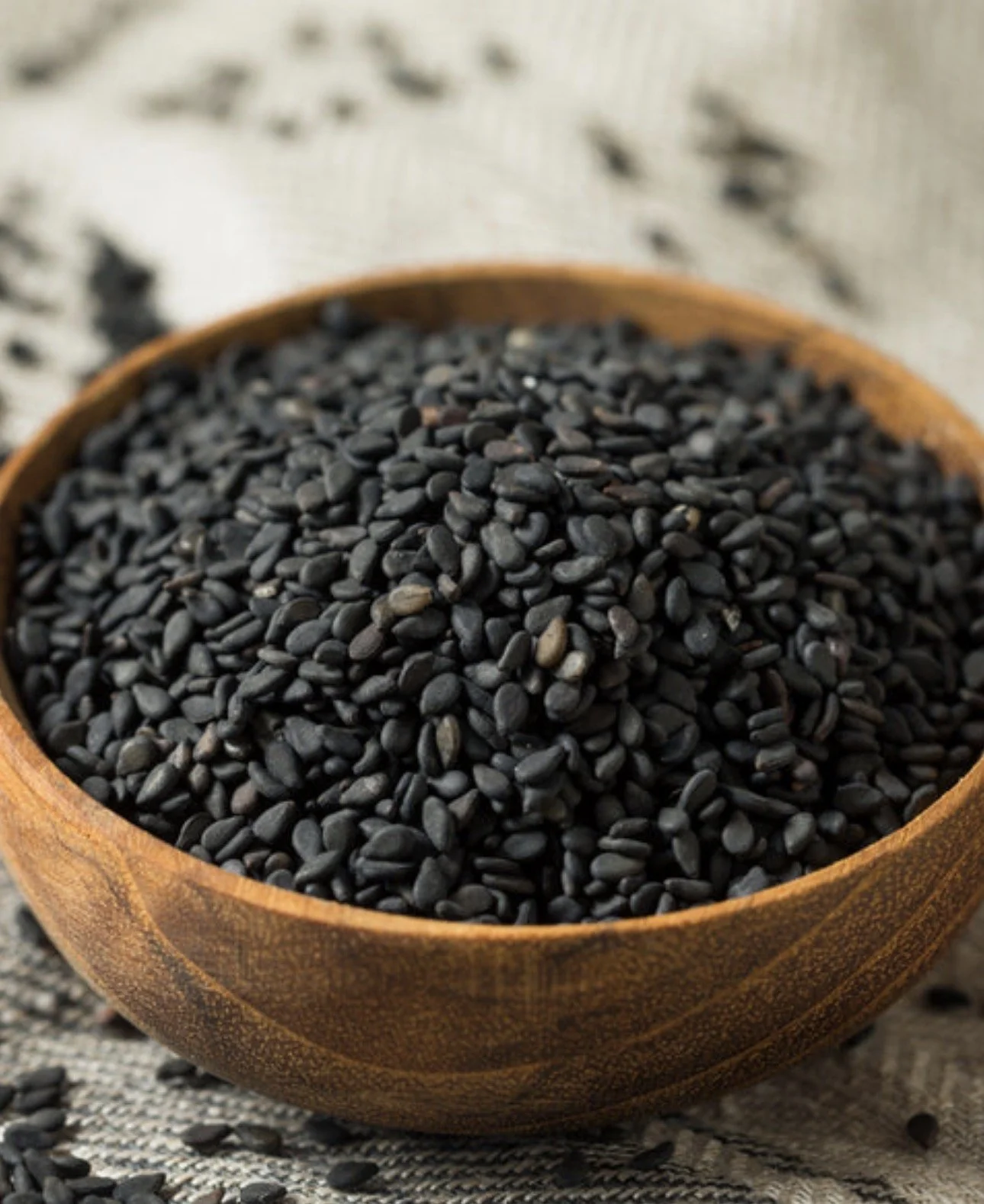
🌬️ VATA — Dryness & Depletion
Best oils by context:
Sesame oil → grounding, warming, penetrating
Almond oil → nourishing, gentler for sensitive Vata
Olive oil (light use) → protective for very dry hair lengths
Avoid: very light or volatile oils
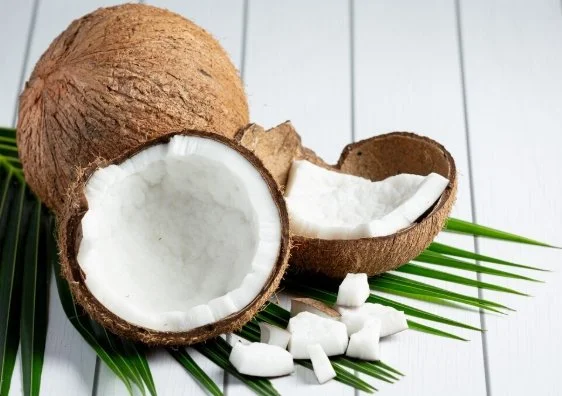
🔥 PITTA — Heat & Sensitivity
Best oils by context:
Coconut oil → cooling, soothing, surface‑protective
Sunflower oil → cooling but lighter than coconut
Ghee‑based oils (if appropriate) → soothing, protective
Avoid: strongly warming or stimulating oils
🌱 KAPHA — Heaviness & Buildup
Best oils by context:
Sesame oil (small amount, short contact) → penetrating, mobilizing
Jojoba oil (ends only) → light, low residue
Often best:
No oil at all → use shiro lepa or herbal rinse instead
Avoid: coconut oil, castor oil
Why does this matter?
This matters a great deal to hair and scalp health, and not in an abstract way.
Choosing oils randomly (or by oversimplified rules like “Vata = sesame, Pitta = coconut”) is one of the main reasons people get worsening dryness, buildup, irritation, or hair loss even while “doing Ayurveda.”
The scalp is not inert
The scalp is:
highly vascular
neurologically sensitive
prone to inflammation and congestion
responsive to how long substances sit on it
Oil changes temperature, circulation, microbial activity, and follicle behavior.
So oil choice directly affects:
shedding
itch
buildup
breakage
comfort
growth environment
What Oils Actually Do on the Scalp (Mechanism)
All oils do three things to different degrees:
Penetrate (enter tissue, mobilize contents)
Coat (seal and protect the surface)
Modify heat (warm or cool)
Different doshas are harmed or helped depending on which of these dominates.
Below are the most common failure patterns, and why they happen.
🌬️ VATA + the Wrong Oil → MORE DRYNESS & SHEDDING
Example mistake
Using:
very light oils
fast‑absorbing oils
minimal oil on very dry scalp
What happens
Oil absorbs too quickly
No sustained lubrication
Scalp remains dry
Follicles become unstable
Hair sheds easily
Why
Vata needs penetration + staying power.
Random oil choice gives penetration without stability.
🔥 PITTA + the Wrong Oil → ITCH, INFLAMMATION, HAIR FALL
Example mistake
Using:
warming oils
stimulating oils
long contact oiling during heat or stress
What happens
Heat is trapped
Inflammation increases
Scalp becomes reactive
Hair fall accelerates
Why
Pitta needs cooling and surface protection, not stimulation.
🌱 KAPHA + the Wrong Oil → BUILDUP, DULLNESS, SLOW GROWTH
Example mistake
Using:
heavy, coating oils
long‑term leave‑in oils
frequent oiling on oily scalp
What happens
Oil sits on the scalp
Sebum thickens
Follicles clog
Growth slows
Hair looks dull and limp
Why
Kapha’s problem is stagnation, not lack of oil.
The Key Insight 👉🏽 Oil does not “fix” a dosha by existing — it fixes a dosha by behaving correctly on the scalp.
And oil behavior depends on:
penetration vs coating
temperature effect
amount used
contact time
preparation
Why Context Changes Everything
The same oilcan help or harm depending on context.
Sesame oil example:
Long contact → nourishing (good for Vata)
Short contact → mobilizing (good for Kapha)
Wrong amount → aggravating (for either)
Coconut oil example:
Cooling short contact → soothes Pitta
Heavy long contact → worsens Kapha
This is why context beats constitution.
Consequences of Random Oil Choice
If oils are chosen without dosha‑context reasoning, people often experience:
worsening dryness despite oiling
increased itch or flaking
greasy scalp with hair loss
“nothing works” frustration
abandonment of otherwise sound practices
This is not because Ayurveda “doesn’t work” — it’s because oil choice was disconnected from logic.
Whew. That was a long post, but a necessary one if we truly intend to make products that help. It is our job as Ayurvedic formulators to be conscious of what we use in our products, and understand why we’re using them.